How to Buy a Safari Tent in 2026?

Time:2026-11-13 Author:Henry
0%

Buying a safari tent in 2026 is more than choosing a striking shape for a campsite or garden. The right model must suit its location, expected use, and the people who will sleep inside. A tent for seasonal family stays may need different materials and fittings from one used by guests throughout a busy summer. Start with the ground plan, not the product photos. Measure twice. Check sleeping capacity, interior height, ventilation, floor construction, and the space needed for beds or furniture. Small details matter.

Before you buy, compare the full specifications and ask the supplier how the tent handles wind, rain, and regular maintenance. Look for clear information about fabric, frame materials, installation, spare parts, and warranty coverage. If the site is exposed or the tent will see frequent use, seek advice from an experienced installer rather than guessing from a brochure. Safaritent Kopen searches can help you explore available styles, but a low price alone says little about long-term value. Request written answers. That helps.

This guide explains how to weigh comfort, durability, setup, and total ownership costs when buying a safari tent in 2026. It also highlights questions worth asking before you commit, including which accessories are included and what preparation the site requires. Product claims can sound reassuring; still, real conditions vary, and no tent is maintenance-free. I would leave room in the budget for upkeep. A thoughtful choice begins with honest expectations, careful measurements, and details you can verify.
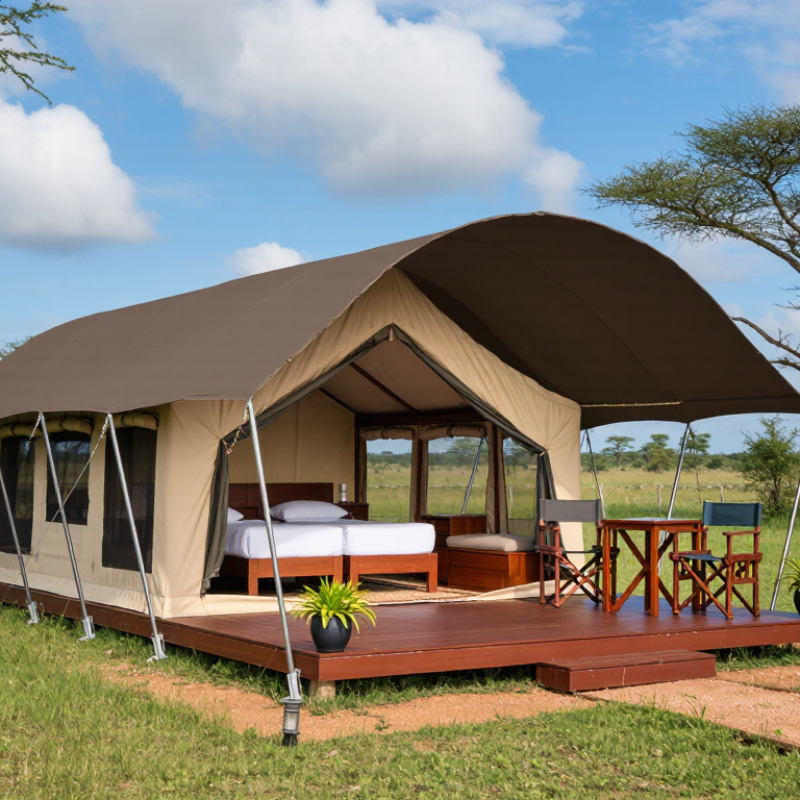
How to Buy a Safari Tent in 2026?

Identify Your Intended Use, Site Conditions, and Capacity Needs

How to Buy a Safari Tent in 2026?

Choose the tent for its intended use before comparing shapes or finishes. A seasonal guest unit needs different insulation, flooring, and ventilation from a tent used for occasional events. For a rental site, consider cleaning time, privacy, and how guests move between beds and washrooms. For a private retreat, prioritize comfort and storage. Measure twice.

Walk the site after rain, not only on a sunny day. Note standing water, slope, prevailing wind, tree cover, and the route for delivering materials. Check that the ground can support the proposed anchoring system. The KOA 2024 North American Camping and Outdoor Hospitality Report recorded 58 million North American households camping in 2023, a useful signal of demand—but not a reason to overbuild. Mud matters. Match capacity to realistic occupancy: count the beds, then allow space for bags, door clearance, and movement around furniture. A listed maximum may feel cramped in practice. Still, capacity is easy to misjudge; sketch the floor plan at full scale before ordering. Include access for maintenance and confirm that the tent’s materials suit local temperature, rain, and wind exposure.

How to Buy a Safari Tent in 2026: Match Footprint to Guest Capacity

Compare three illustrative tent layouts before choosing a model. Floor areas are calculated from the dimensions shown; they are examples, not universal capacity standards.

Planning note: Check the tent’s actual floor plan and allow for beds, furniture, and circulation space. Confirm your site has a level, well-drained area large enough for the full footprint, plus room for entrances, guy lines, and safe access.

Compare Safari Tent Designs, Materials, and Weather Ratings

When comparing safari tent designs in 2026, match the layout to how guests will use the space. A-frame and bell-style tents can feel open, while cabin layouts often provide straighter walls for beds and storage. Check the floor plan, not just the advertised capacity. Two people and their bags need more room than two empty sleeping mats. Small detail, big difference.

Materials shape comfort and upkeep. Breathable cotton canvas can reduce condensation in changing temperatures, but it is heavier and needs thorough drying before storage. Polyester blends are often lighter and quicker to dry, though ventilation and fabric construction matter as much as the label. Look closely at seams, zippers, mesh panels, and the groundsheet edge. A sturdy frame helps, but poor stitching can still become the weak point. No material is maintenance-free.

Weather ratings deserve careful reading. Ask for documented water-resistance results, wind limits, and any snow-load guidance for the exact tent configuration. Rating methods vary, so compare test conditions rather than numbers alone. A high waterproof figure cannot compensate for pooling water, exposed ground, or badly tensioned fabric. Check whether the rating covers the whole structure or only its fabric. I would leave some margin for gusts and heavy rain, especially on open sites. That may cost more. It is still easier than discovering a rating’s limits during a storm.

Set a Budget and Evaluate Total Ownership Costs

Set a realistic budget before comparing safari tents. The purchase price is only one part of the cost. Ask for a written estimate that includes delivery, unloading, installation, and any required platform or ground preparation. A truck may not reach a remote site, so check access before paying a deposit. Small details matter.

Then estimate costs over several years, not just opening day. Include seasonal cleaning, fabric treatment, fasteners, repairs, and secure storage during off-season months. Local weather affects the plan: strong sun, heavy rain, or wind can increase maintenance needs. Ask what routine care the tent requires, and price those materials locally. Costs vary.

A simple spreadsheet can compare models with different prices and expected lifespans. Divide the estimated total ownership cost by the number of seasons you expect to use the tent. Keep a separate contingency for repairs; an unexpected replacement panel can disrupt a tight budget. It is easy to underestimate labor, especially when site access is awkward. I would review the estimate with the installer and leave uncertain items visible rather than pretending every cost is known.

Check Supplier Credentials, Warranties, and Local Requirements

Before buying a safari tent in 2026, verify who will make and install it. Ask for the supplier’s business registration, project references, and contact details for recent clients. Request fabric specifications, structural drawings, and test reports for the proposed frame and anchoring system. A warranty should state its duration, covered parts, repair process, and exclusions. Read the fine print. Wind damage, UV exposure, mold, and incorrect installation may be excluded. I would not treat a glossy sample as proof of durability.

The 2024 North American Camping Report estimates that 58 million North American households camped in 2023. That demand makes careful supplier checks more important, not less. Before paying a deposit, confirm local rules for building permits, fire safety, electrical work, accessibility, and wastewater handling. Requirements vary by location and site type. Send the local authority the tent’s dimensions, occupancy, anchoring plan, and utility layout before production begins. A supplier can provide documents, but cannot guarantee local approval. One detail I might overlook: delivery access. Check that trucks can reach the site and that the ground can support installation equipment.

How to Buy a Safari Tent in 2026? - Check Supplier Credentials, Warranties, and Local Requirements

Buying Dimension Evidence to Request What to Check Practical Buyer Action
Supplier identity and operating history Registered business details, a physical or verifiable operating address, and contact information for after-sales support Confirm that the contracting entity, invoice details, and payment recipient match. Ask how long the supplier has made or supplied comparable tents. Verify registration through the relevant official business registry and keep the quotation, contract, and correspondence.
Product specifications Written drawings, dimensions, floor plan, bill of materials, and installation instructions Check capacity, usable floor area, frame material, fabric type and weight, floor construction, ventilation, doors, windows, and included accessories. Compare like-for-like specifications and require any custom features to be listed in the signed order.
Material and performance claims Fabric and component data sheets, care instructions, and test reports where relevant Check the stated properties and test methods for water resistance, UV exposure, flame performance, or corrosion resistance. A test result applies only to the tested material or assembly described in the report. Ask for reports from a competent testing organization and confirm that the tested specification matches the quoted product.
Warranty and remedies Full written warranty terms covering the tent, frame, fabric, seams, and supplied components Review warranty duration, start date, covered defects, exclusions, claim process, repair or replacement options, and who pays return freight or labor. Get all warranty promises in the contract; clarify treatment of normal wear, weather damage, incorrect installation, and commercial use.
References and comparable installations References, project photographs, and details of installations with a similar climate, use, or tent configuration Check that the examples are relevant and ask previous buyers about delivery, assembly, durability, and support after installation. Contact references directly where possible and request dated photographs or a site visit before placing a large order.
Local planning and building requirements Product drawings and technical information needed for a local authority or qualified building professional to review Requirements can vary by location and use. Check whether planning permission, building approval, anchoring design, setbacks, or limits on temporary structures apply. Contact the local planning or building department before ordering; do not assume that a tent is exempt because it is marketed as temporary.
Fire, sanitation, and site operations Available fire-performance documentation, proposed occupancy details, and utility or restroom plans where applicable For guest accommodation or public use, local rules may address fire safety, exits, alarms, cooking, accessibility, drinking water, wastewater, and sanitation. Confirm applicable requirements with the local fire authority and relevant health or environmental department before finalizing the site layout.
Delivery, installation, and anchoring Delivery schedule, packing list, installation plan, foundation or anchoring recommendations, and crew responsibilities Confirm transport access, unloading equipment, ground conditions, wind exposure, and whether installation is included. Anchoring must suit the site and expected loads. Have a qualified local professional review site-specific structural and anchoring needs; record who is responsible for installation and inspections.
Price, payment, and order protection Itemized quotation, payment milestones, production lead time, delivery terms, and cancellation or delay provisions Check what is excluded, including taxes, freight, customs charges, foundations, installation, and spare parts. Avoid unclear payment instructions or unexplained changes to payee details. Use a signed contract with specifications, delivery dates, inspection criteria, and remedies for non-conforming or late delivery.
Maintenance and replacement parts Cleaning and storage guidance, inspection schedule, and availability of replacement fabric panels, connectors, and fasteners Determine how often routine checks are recommended and whether commonly worn components can be replaced without replacing the whole tent. Budget for maintenance and ask for spare-part pricing and availability in writing before purchase.

Important: Permits, building codes, fire rules, and sanitation requirements depend on the site, intended use, and local jurisdiction. Confirm requirements with the relevant local authorities and qualified professionals before purchase or installation.

Review Specifications and Arrange Delivery and Installation

Before paying a deposit, compare the tent’s specification sheet with your site conditions. Check the footprint, peak height, canvas weight, frame material, and door dimensions. Small differences matter when furniture, beds, or a woodstove need space. Ask whether the stated dimensions describe the interior or the outer footprint. That detail is easy to miss.

Look for clear information on waterproofing, ventilation, seams, and replacement parts. A sample of the canvas can reveal its texture and weight better than a product photo. Ask what wind and snow conditions the structure is designed to handle, and seek qualified advice if your site has unusual exposure. Don’t guess. Request a written list of what the price includes, such as flooring, anchors, and weatherproofing. Some specifications may still leave questions.

Delivery planning deserves the same attention. Send the supplier photos, access-road width, gate measurements, and the distance from the unloading point to the build area. A large vehicle may not reach a narrow or soft track. Confirm who unloads the components, prepares the ground, and installs the frame. Get the delivery window, installation duration, and weather-delay process in writing. Before installation day, clear the site and mark buried services. Then inspect the finished tent, especially its anchors, door alignment, and roof tension. I would leave extra time; schedules can slip.

FAQS

How should I choose a safari tent for my intended use?

Start with how often people will use it. Seasonal guest units need suitable insulation, flooring, and ventilation. Event tents may need less. Measure twice.

What should I check at the tent site?

Visit after rain. Look for puddles, slopes, prevailing winds, tree cover, and delivery access. Check whether the ground suits the anchoring system.

How much capacity do I need?

Count beds, then allow room for bags, furniture, and open doors. The advertised maximum may feel cramped. Sketch the floor plan at full scale.

Which tent layout works best for guests?

A-frame and bell-style designs can feel open. Cabin layouts often offer straighter walls for beds and storage. Check the actual floor plan.

How do canvas and polyester fabrics differ?

Breathable cotton canvas can help reduce condensation, but it is heavier and needs thorough drying. Polyester blends often dry faster. No material is maintenance-free.

Which construction details should I inspect?

Check seams, zippers, mesh panels, and the groundsheet edge. A sturdy frame helps, but weak stitching can still cause trouble.

How can I compare weather ratings?

Ask for documented water-resistance results, wind limits, and snow-load guidance for the exact setup. Compare test conditions, not just numbers. Ratings vary.

Is a high waterproof rating enough for heavy rain?

Not by itself. Pooling water, exposed ground, and loose fabric can still cause problems. Leave room for gusts and heavy rain. I might misjudge the site, too.

Conclusion

Buying a safari tent in 2026 starts with clarifying how and where you plan to use it. Consider whether it will serve as a private retreat, guest accommodation, or a longer-term outdoor space, then assess the site’s ground conditions, exposure, access, and available capacity. Compare tent layouts, frame and fabric materials, ventilation, and weather ratings to find an option suited to the expected climate and frequency of use. The right design should balance comfort, durability, and practical maintenance.

Before purchasing, set a realistic budget that includes more than the initial price: account for transport, foundations or site preparation, installation, upkeep, and replacement parts. Check the supplier’s experience, warranty terms, support arrangements, and any local requirements that may apply to your planned use. Finally, review the full specifications carefully and confirm delivery access, installation responsibilities, and timelines. Taking these steps makes Safaritent Kopen a more informed decision and helps ensure the tent fits both your site and long-term needs.


Henry

Henry

Henry is a dedicated marketing professional with a profound expertise in the company's offerings. With years of experience in the industry, he possesses an impressive understanding of the market dynamics and consumer behaviors that drive success. Henry is committed to sharing his insights through......