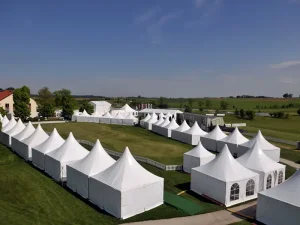
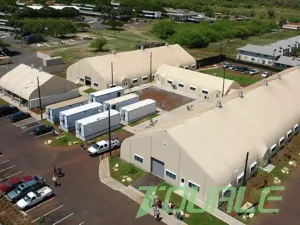
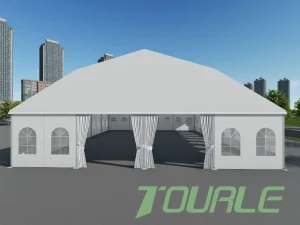
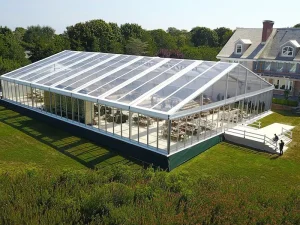
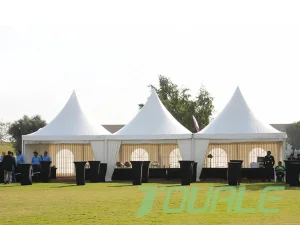
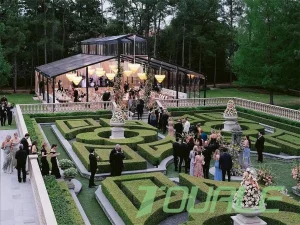
Explore initial technical configurations, heavy-duty clear-span designs, and high-peak architectural tent models.
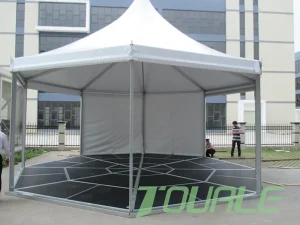
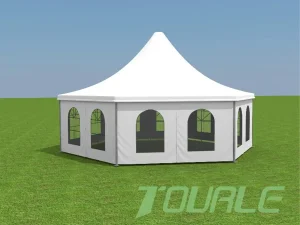
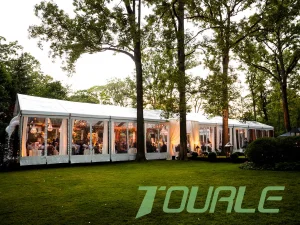
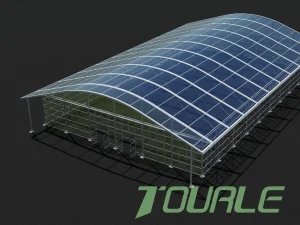
A comprehensive analysis of clear-span structural geometry, extruded alloy load dynamics, and weather resistance engineering.
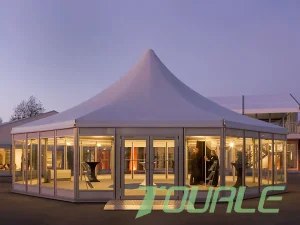
In modern commercial architecture and temporary infrastructure, Multi-Side Tents (also referred to as polygonal, hexagonal, octagonal, or decagonal high-peak clear-span structures) represent the pinnacle of modular spatial engineering. Unlike traditional rectangular A-frame marquees, multi-sided tents utilize complex radial geometry to deliver enhanced structural stability, superior wind-load dissipation, and exceptional 360-degree aesthetic appeal.
Manufactured using high-grade anodized structural aluminum alloy (6061-T6), providing a tensile strength exceeding 310 MPa and yielding exceptional corrosion resistance for over 20 years of outdoor operation.
Polygonal multi-side footprints mathematically reduce aerodynamic drag. Standard structural calculations allow multi-sided tents to withstand wind velocities up to 100 km/h to 120 km/h (0.5–0.70 kN/m²).
Covered with double PVC-coated polyester textiles (650–850 g/m²) featuring PVDF self-cleaning surface treatment. Fully flame retardant to international standards DIN 4102 B1, M2, and NFPA 701.
The engineering core of a multi-side tent relies on interconnected roof ridge purlins meeting at a reinforced central apex crown connection. This design transfers vertical forces (snow loads, hung AV/lighting equipment) evenly across all surrounding perimeter columns. Because there are no interior support posts, 100% of the internal clear-span space is usable for high-density commercial occupancy, high-end gala dining, or immersive exhibition booths.
Comprehensive direct-factory pricing estimates, structural profiles, and custom option add-ons for international procurement.
When purchasing multi-side tents wholesale from Chinese manufacturer facilities, pricing is structured around structural span diameter, main profile dimensions (mm), sidewall material selections (PVC, Glass, ABS, Sandwich Panels), and custom structural modifications. Below is an authoritative technical specification and budget estimator table designed for procurement officers and event equipment leasing firms.
| Tent Geometry & Span (m) | Main Profile (mm) | Eave / Ridge Height (m) | Max Wind Load | Cover Specs | Estimated FOB Price (USD/m²) |
|---|---|---|---|---|---|
| Hexagonal (Diam: 6m - 12m) | 84 x 48 x 3.0 | 2.6m / 5.2m | 80 - 100 km/h | 850g/m² Blockout PVC | $35 - $55 / m² |
| Octagonal (Diam: 10m - 20m) | 122 x 68 x 3.0 | 3.0m / 6.8m | 100 km/h | 850g/m² PVDF White/Clear | $45 - $68 / m² |
| Decagonal (Diam: 15m - 30m) | 204 x 120 x 4.0 | 4.0m / 8.9m | 100 - 120 km/h | Double Layer PVC / Insulated | $55 - $85 / m² |
| Dodecagonal (Diam: 20m - 40m) | 256 x 121 x 5.0 | 4.0m / 10.5m | 120 km/h | Hard ABS / Double Glazed Glass | $75 - $120 / m² |
| High-Peak Polygon (Custom) | 300 x 125 x 5.0 - 8.0 | 5.0m / 12.0m | 120 km/h (Snow 0.5kN/m²) | Tempered Glass & Sandwich Wall | $90 - $150+ / m² |
Prices indicated above reflect bulk factory-direct pricing (FOB China Port). Final CapEx varies depending on wall systems (e.g., tempered glass wall units add $30-$50/m²), integrated cassette flooring systems, heavy-duty weight plate anchoring, and custom powder-coated frame finishes. High volume rental companies achieve ROI within 3 to 5 commercial deployment cycles.
Why tier-1 global rental firms and commercial developers source multi-side tents directly from specialized Chinese industrial ecosystems.
Located within major industrial extrusion clusters, Chinese factories benefit from immediate access to premium raw 6061-T6 aluminum ingots. This proximity eliminates supply chain bottlenecks and lowers raw material acquisition costs by 25–35% relative to Western manufacturers.
Modern Chinese tent factories deploy automated 5-axis CNC routers and robotic welding arms capable of maintaining tolerances within ±0.1mm. This guarantees that modular connector inserts, roof purlins, and eave knuckles align flawlessly during field erection.
Prior to sea freight dispatch, leading Chinese exporters conduct full-scale trial installations of multi-side tent frames and fabric skins. This rigorous QC process eliminates missing hardware components and guarantees zero structural defects upon job-site arrival.
Emerging structural technologies shaping the future of temporary architecture and commercial space management.
The global tent and temporary structure market is undergoing a rapid evolution toward sustainability, smart environmental control, and hybrid structural engineering. Key innovations driving international buyer demand include:
How multi-sided clear-span tents serve diverse macro-economic sectors around the world.
Hexagonal and octagonal tents serve as permanent luxury resort suites, offering panoramic views, insulated walls, and high-peak ceilings that create a five-star hotel experience in remote natural destinations.
Multi-sided tent configurations provide distinct architectural lounge zones for Formula race events, international trade expos, film festivals, and high-profile product launches requiring high visual impact.
Rapidly deployable decagonal tents provide centralized command hubs, mobile field hospitals, and dining halls during disaster recovery operations due to their swift assembly on uneven terrain.
Essential verification steps for corporate buyers, tender committees, and site safety inspectors.
To guarantee long-term operational safety and regulatory compliance when procuring multi-side tents internationally, purchasing managers must verify the following structural standards:
Multi-side tents require secure ground anchoring calculated according to local soil bearing capacity:
Direct technical answers to common questions asked by global event managers, rental fleet owners, and architects.
Browse additional aluminum alloy event tents, warehouse clear-spans, and high-peak pagoda products.