The global outdoor accommodation and temporary structure market has evolved from rudimentary camping setups into an engineering-intensive, high-yield commercial property asset class. Understanding the structural dynamics of "discount glamping tents" requires evaluating both manufacturing unit economics and long-term capital deployment efficiency.
In modern commercial procurement, the term "discount glamping tent" no longer denotes compromised structural integrity or sub-standard textile performance. Instead, it signifies streamlined factory-direct supply chains, modular industrial design optimization, and scale-driven material sourcing advantages. Commercial buyers—ranging from eco-resort developers and luxury hospitality chains to event rental conglomerates and industrial facility managers—require structures that harmonize rapid deployment capabilities with rigorous safety, environmental, and spatial engineering standards.
Engineered with extruded hard-pressed aluminum alloy profiles and high-tensile hot-dip galvanized steel connectors, surviving extreme weather events and high wind shear forces.
Provides luxury hotel-grade climate insulation, noise damping, and panoramic architectural aesthetic, allowing resort operators to command premium Average Daily Rates (ADR).
Prefabricated modular bay construction eliminates permanent foundation permits in many jurisdictions, reducing site installation timelines from months to days.
A deep breakdown of core structural materials, architectural textile properties, and thermal envelope metrics required for high-occupancy commercial glamping lodges and heavy-duty event venues.
| Structural Component | Material / Technical Specification | Engineering Compliance Standard | Commercial Performance Benefit |
|---|---|---|---|
| Framework Profile | Hard-pressed Extruded Aluminum Alloy 6061-T6 / 6082-T6 (15–21HW) | GB/T6892-2000, EN755-2, ASTM B221 | Corrosion resistant, maintenance-free 15+ year lifespan, lightweight strength ratio. |
| Roof Canopy Textile | Double PVC-Coated Polyester Fabric, 850g/m² to 1050g/m², PVDF Surface Treated | DIN 4102 B1/M2, NFPA 701, BS 7837 Flame Retardant | 100% Waterproof, UV resistant, tear-resistant, anti-mildew, self-cleaning surface. |
| Sidewall Systems | Options: Hollow Glass Walls, ABS Hard Panels, Sandwich Insulated Panels, PVC Clear Windows | ISO 9001 Structural Rigidity Certified | Acoustic isolation, thermal performance tuning, aesthetic versatility for luxury venues. |
| Steel Components | Hot-Dip Galvanized Steel Connectors (Zinc layer thickness > 60μm) | DIN EN ISO 1461 Structural Bolting | Prevents oxidation at critical joints, ensuring safety under dynamic wind load fluctuations. |
| Thermal Envelope | Multi-layer insulated canvas lining with foil reflection barriers (R-Value optimized) | ISO 8302 Thermal Conductivity Standards | Drastically lowers HVAC heating and cooling power costs in extreme climates (-30°C to +70°C). |
Commercial grade structures supplied by premium China 4.0 manufacturers are modeled using Finite Element Analysis (FEA) software. This mathematical stress testing simulates complex wind currents and heavy snow accumulation. Structural profiles feature continuous tensioning systems that keep textile membranes drum-tight, eliminating rain ponding and preventing fabric fatigue over long-term deployments.
Analyzing commercial search behavior and regional procurement strategies reveals distinct use cases for discounted, high-specification prefabricated tent structures across global markets.
High demand for safari-style lodges, geodesic dome clusters, and high-peak glamping setups. Key buying factors focus on environmental integration, winter snow load compliance, and high-end aesthetic appeal.
Procurement shifts toward heavy-duty insulated membrane structures, heat-reflective PVDF coatings, and large clear-span structures for royal desert camps, event venues, and luxury pop-up hotels.
Sourcing priorities center on anti-corrosion anodized aluminum frames, 100% waterproof anti-fungal fabrics, and high UV blocking ratios capable of enduring monsoon seasons and humid marine air.
A traditional 20-unit luxury brick-and-mortar hotel resort requires an average capital expenditure (CapEx) of $4.5M to $7M with a 24-month build timeline. By leveraging modular industrial glamping structures (such as high-peak luxury safari tents and geodesic dome suites), a resort operator achieves the following economics:
How advanced manufacturing clusters in China, exemplified by leaders like Sichuan Tulele Technology Co., Ltd. (Tourle Tent), deliver world-class engineering precision and direct cost advantages to global B2B buyers.
The global competitive advantage of sourcing glamping tents and event marquees directly from top-tier Chinese manufacturing hubs stems from localized industrial integration. From raw aluminum ingot extrusion and precision CNC machining to high-frequency fabric welding and hardware stamping, modern Industry 4.0 facilities control every step under one roof.
By producing steel connectors, baseplates, and tensioning hardware internally, manufacturing precision is locked down to sub-millimeter tolerances, eliminating site assembly delays.
Every custom structure undergoes 100% pre-shipment trial assembly in factory testing bays. Dimensions, bolt-hole alignments, membrane tensioning, and door frames are verified prior to export packing.
Dedicated engineering teams utilize CAD/3D rendering software to translate complex client architectural concepts into structural blueprints ready for automated production lines within 72 hours.
Different commercial operational goals require distinct structural geometries. Review the comparative engineering matrix below to match your site requirements with the right product family.
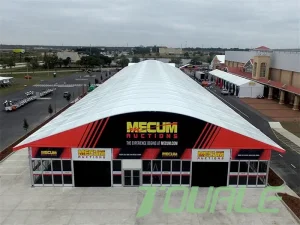
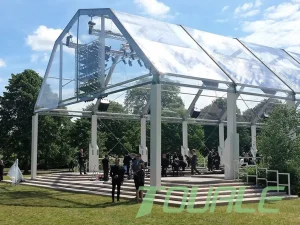
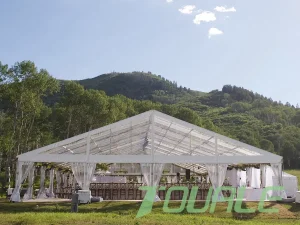
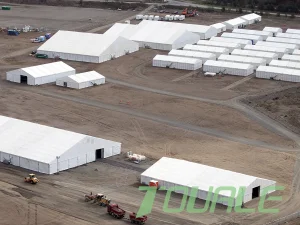
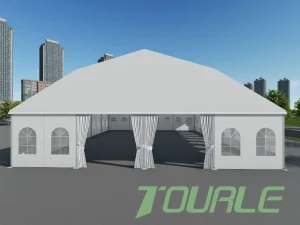
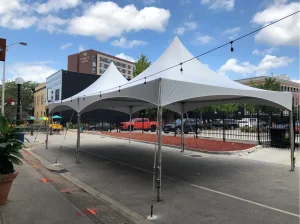
Primary Use: Large trade exhibitions, industrial storage, mega weddings.
Span Range: 10m to 60m continuous width, unlimited bay length extension.
Key Advantage: Unobstructed interior volume with zero internal vertical support pillars.
Primary Use: Luxury glamping suites, pop-up planetariums, eco-resort pods.
Span Range: 4m to 30m diameter structures.
Key Advantage: Exceptional wind and snow distribution due to spherical triangulation dynamics.
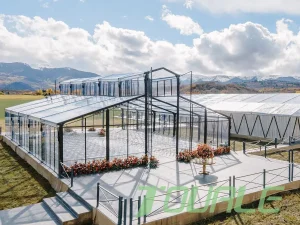
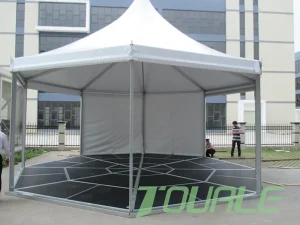
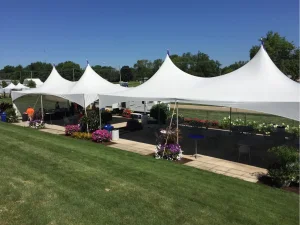
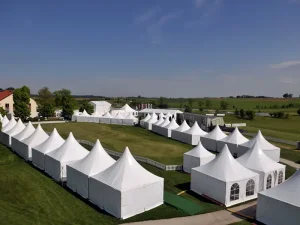
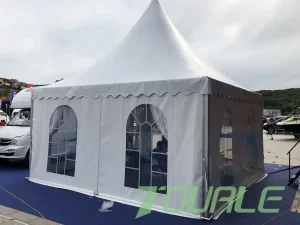
Primary Use: Boutique resort accommodation, VIP entrances, hospitality suites.
Span Range: 3x3m to 10x10m square base setups, expandable platforms.
Key Advantage: Elegant architectural silhouette with high insulation canvas option compatibility.
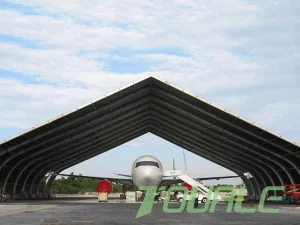
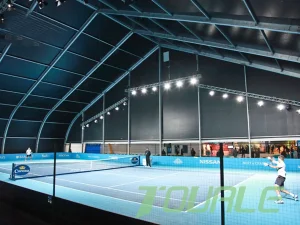
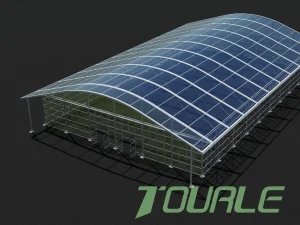
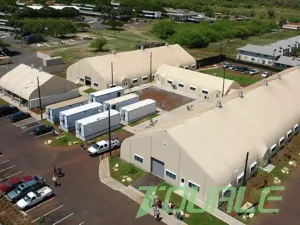
Primary Use: Aircraft hangars, indoor sports complexes, temporary factory warehousing.
Span Range: 15m to 50m heavy-duty curved profiles.
Key Advantage: High center clearance, rapid shedding of snow/rain, dynamic modern appearance.
Expert answers to technical, commercial, and logistical queries posed by international buyers and project engineers.