Explore high-performance clear-span, high-spine, and architectural atrium tent configurations designed for global commercial and industrial deployments.
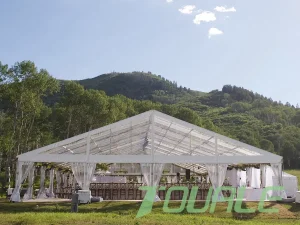
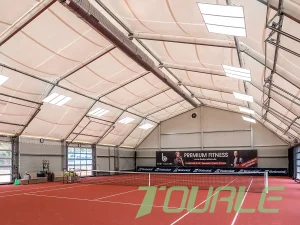
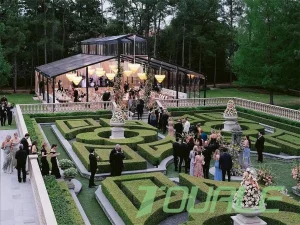
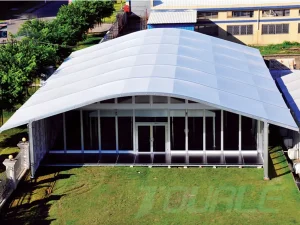
Analyzing global commercial demand, maintenance financial ROI, and the transition from reactive care to predictive structural management.
In modern commercial architecture, hospitality real estate, and industrial logistics, clear-span atrium tents and high-spine modular structures have evolved from temporary stopgap remedies into high-value capital assets. Global venues, luxury glamping operators, trade show organizers, and logistics conglomerates rely heavily on multi-side, A-frame, arch, and polygon roof structures to provide thousands of square meters of column-free functional space. However, the long-term operational profitability of these architectural assets hinges on a rigorous, science-backed maintenance methodology.
The global temporary structure market has seen accelerated growth, driven by the expanding luxury glamping sector, post-disaster industrial warehousing, and dynamic mega-event infrastructure. According to recent industrial building audits, over 68% of structural degradation issues in clear-span structures occur within the first 36 months when maintenance relies on generic janitorial protocols rather than manufacturer-specified structural engineering guidelines.
| Maintenance Strategy | Avg. Structural Lifespan | Annual Asset Depreciation | Wind Load Safety Margin Retention | Total Cost of Ownership (10-Yr) |
|---|---|---|---|---|
| Reactive Maintenance (Clean when dirty, fix after failure) | 3 - 5 Years | 18% - 25% | < 65% after Year 3 | High (Frequent fabric & member replacement) |
| Standard Scheduled Care (Annual visual check & wash) | 7 - 10 Years | 9% - 12% | 80% - 85% at Year 5 | Moderate (Controlled operational budget) |
| OEM Predictive Care (Tension audit, chemical care, micro-inspection) | 15+ Years | 4% - 6% | > 95% continuous rating | Optimal (Maximum asset resale & performance value) |
Understanding the material science, structural loads, and metallurgical properties that govern long-term structural integrity.
Architectural atrium structures utilize high-tensile 6061-T6 extruded aluminum alloys. Maintenance focuses on preserving the hard-anodized protective oxide layer (typically 12-15μm thick), which prevents structural pitting caused by salt spray, acid rain, and industrial airborne pollutants.
The roof covers and transparent atrium membranes feature high-density polyester base fabrics coated with PVC and finished with Polyvinylidene Fluoride (PVDF) surface lacquering. Maintenance protocols must safeguard the anti-UV, flame-retardant (DIN 4102 B1/M2), and self-cleaning topcoats.
Load-bearing corner nodes, eave connectors, and base plates rely on heavy-duty structural steel subjected to Hot-Dip Galvanization under ISO 1461 standards. Inspections must target micro-fissures, thread degradation, and zinc coating depletion.
Manufacturer-certified technical guidelines for pre-installation, structural tensioning, chemical decontamination, and storage management.
The stability of any high-spine atrium tent relies on its foundation integrity. Prior to installation and during quarterly routine maintenance, field engineering crews must execute strict foundation verification protocols:
High-spine atrium structures experience variable dynamic stresses caused by thermal expansion, wind gusts, and snow loading. Routine structural frame inspection requires a systematic approach:
Utilize laser distance measurement tools to check main extrusion beam straightness. Any permanent beam deflection exceeding L/200 (where L is the span length) requires immediate engineering review and profile replacement.
Steel roof and wall cross-bracing turnbuckles must be tensioned evenly using tension meters. Imbalanced cable tension causes frame distortion, roof fabric flapping, and accelerated fatigue at beam-to-column connection joints.
Inspect all purlin retention clips, ridge purlin pins, and eave gusset plates for signs of stress corrosion cracking or mechanical wear. Lubricate all stainless steel drop pins with silicone-based non-dust-attracting lubricants.
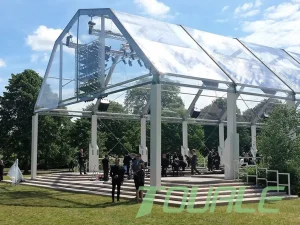
The aesthetic grandeur of an atrium tent lies in its high light transmittance and clear roof tops. Industrial environmental exposure leads to atmospheric soot accumulation, mold growth, and plasticizer migration if left unmanaged.
Strictly avoid abrasive solvents, strong acidic solutions, or unbuffered alkaline agents (pH > 10 or pH < 5), which chemically break down PVDF top lacquers and plasticizer bonds within the PVC matrix.
| Contaminant Type | Approved Cleaning Agent | Water Temperature | Application Protocol |
|---|---|---|---|
| Standard Atmospheric Dust & Dirt | pH-Neutral Synthetic Detergent (1:20 Dilution) | 30°C - 45°C | Soft microfiber mop application, followed by low-pressure rinse (< 50 Bar). |
| Tree Sap, Algae & Mildew Stains | Mild Anti-Fungal Solution + Isopropyl Alcohol (5%) | Ambient | Apply with soft-bristle brush, soak for 8-10 mins, rinse thoroughly with deionized water. |
| Grease & Industrial Soot | Biodegradable Solvent Degreaser (Non-Citrus) | 20°C - 35°C | Gentle manual agitation using non-scratch sponge; avoid pressure washing clear vinyl. |
Deploying atrium tents in demanding microclimates requires proactive structural preparedness:
Damage frequently occurs during non-operational storage phases rather than active event deployment. Adhere to strict storage procedures:
The integration of IoT structural monitoring, nanocoatings, and sustainable circular materials in modular event infrastructure.
Integration of low-power wireless strain gauge sensors, wind anemometers, and tension monitoring nodes embedded within main structural profiles and turnbuckles. Real-time telemetry alerts venue operators to dynamic tension drops or overload stresses before structural degradation occurs.
Deployment of next-generation TiO₂ (Titanium Dioxide) photo-catalytic surface coatings. These nanocoatings actively decompose organic pollutants under natural UV light while offering self-healing microscopic scratch recovery, eliminating chemical cleaning requirements.
Full commercialization of ultra-flexible, lightweight Building-Integrated Photovoltaic (BIPV) atrium roof membranes. Structures will generate autonomous operational power for interior HVAC, lighting, and predictive structural monitoring systems while achieving zero-carbon lifecycle certifications.
Aligning maintenance practices and engineering configurations with international building codes and environmental conditions.
Compliance Standard: International Building Code (IBC) Chapter 31 Temporary Structures & NFPA 701 Flame Propagation Testing.
Maintenance Focus: Severe winter freeze-thaw cycles require specialized cold-crack resistance checks (-30°C clear vinyl specifications) and rigid adherence to anchor hold-down calculations in high wind zones.
Compliance Standard: EN 13782 Temporary Structures - Tents - Safety Standards.
Maintenance Focus: Strict annual structural inspection logbooks (TÜV books), precise cable tension verification, and rigorous verification of flame retardancy certifications (DIN 4102 B1).
Compliance Standard: High UV Index Degradation & Coastal Corrosion Protections.
Maintenance Focus: Bi-monthly freshwater rinsing of aluminum frame profiles to remove corrosive sea salt deposits, combined with UV-stabilizer topcoat re-application to prevent PVC chalking.
Tourle Tent (Sichuan Tulele Technology Co., Ltd.) — Leading global supplier of high-precision clear-span, atrium, and luxury glamping structures.
Founded in 2010, Tourle Tent (Sichuan Tulele Technology Co., Ltd.) operates an expansive 18,000 square meter modern manufacturing facility headquartered in Qingbaijiang District, Chengdu, Sichuan, China. With over 15 years of dedicated engineering evolution, Tourle Tent has established itself as an authoritative global manufacturer integrating architectural design, precision aluminum extrusion processing, customized fabric fabrication, trial assembly quality control, and international installation support.
Every customized atrium tent structure undergoes full-scale trial assembly and rigid structural quality inspection within our 18,000㎡ testing facility before packing. This ensures flawless on-site fit, precise fabric tensioning, and zero component mismatch for international buyers.
Since expanding into international export markets in 2012 (entering Korea in 2012, and European/American markets in 2018), Tourle Tent has supplied structures to over 2,000 cooperative campsites and major commercial venues worldwide, including premier installations across the USA, Mexico, and mainland China.
We provide global engineering consulting, detailed maintenance kits, replacement parts sourcing, step-by-step video installation guides, and on-site technical supervision to guarantee the operational longevity of your structural investments.
Direct answers from Tourle Tent senior structural engineers regarding maintenance, repair, and long-term asset management.
For tears under 10 cm, clean the surrounding area with isopropyl alcohol. Apply a patch of matching PVDF-coated PVC or clear vinyl fabric using a professional hot-air welding gun (heated to approximately 350°C - 400°C) combined with a silicone pressure roller. For temporary field repairs, specialized waterproof, UV-resistant PVC repair tape can be applied to both sides of the fabric.
Cloudiness is usually caused by trapped moisture between folded layers or plasticizer migration resulting from excessive heat exposure during damp storage. Mild cloudiness can often be reversed by erecting the tent under warm, dry sunlight, allowing the vinyl to "outgas" trapped moisture. Severe chemical haze caused by acidic cleaners cannot be reversed and requires panel replacement.
For semi-permanent or permanent seasonal installations, conduct torque audits 14 days after initial erection (to account for structural settling), followed by bi-monthly scheduled inspections. For high-frequency rental operations, inspect all connection pins, cables, and bolts during every erection and dismantling cycle.
Yes, provided the structural frame has been engineered for your regional snow load zone (e.g., TFS and polygon designs engineered up to 0.5 kN/m²). Maintenance teams must maintain internal ambient heating above 12°C to prevent ice freezing at the eave gutters and ensure snow slides freely down the steep roof pitch.
With adherence to the manufacturer maintenance tips detailed in this whitepaper, Tourle Tent's 6061-T6 aluminum alloy main structural frames have a design service life exceeding 20 years. Architectural PVC roof covers typically perform for 8 to 12 years, while premium clear PVC panels last 5 to 8 years depending on regional UV exposure.
Yes. Because we operate our own in-house hardware and fabric production facilities, we maintain detailed 3D design files for all client projects. Original replacement beams, purlins, steel brackets, keder ropes, and custom-tailored PVC roof/wall covers can be manufactured and dispatched globally with precise fitment guaranteed.
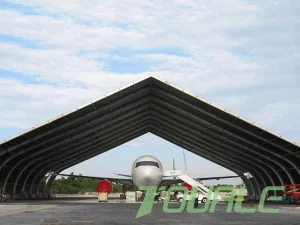
Explore heavy-duty industrial storage, high-arch hangars, wood-grain event marquees, and double-decker structural solutions.