Explore our primary structural configurations engineered for heavy-duty warehousing, luxury hospitality, dynamic event venues, and multi-purpose outdoor applications.
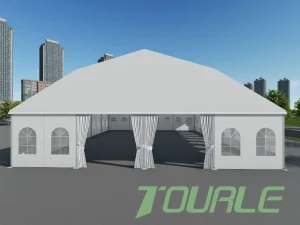
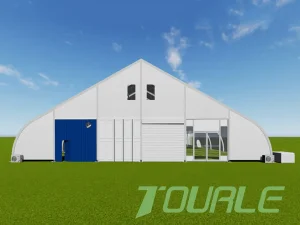
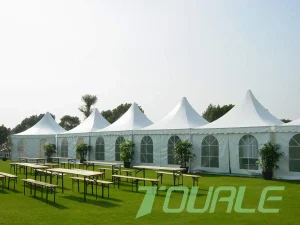
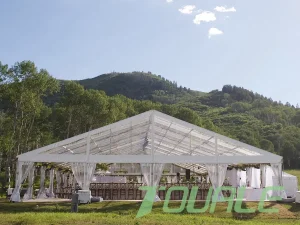
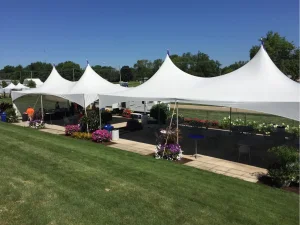
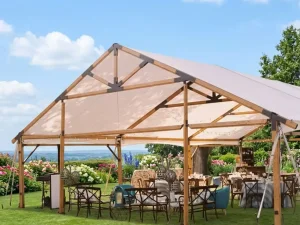
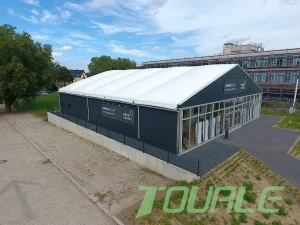
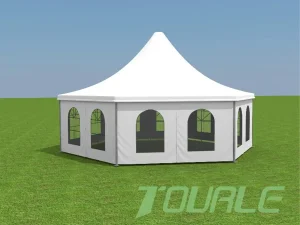
The international market for temporary and semi-permanent structural tent houses has experienced an unprecedented paradigm shift. No longer viewed as temporary canvas shelters, modern clear-span modular tent structures serve as vital infrastructure across eco-resort glamping, industrial logistics, sports arenas, and military/emergency rapid-response units.
Driven by global demand for flexible real estate expansion without the regulatory drag and capital expenditure of permanent civil construction, decision-makers are actively evaluating "Famous Tent Houses For Sale Quotes & Supplier" offerings to secure durable, scalable, and compliant structural solutions.
Commercial buyers, ranging from hospitality developers in North America to mining operators in Western Australia, require transparent quote structures that accurately account for structural framing, architectural membrane choices, foundation engineering, wind/snow load rating compliance, and total cost of ownership (TCO).
Understanding the core technologies embedded within modern prefabricated tent houses is essential for evaluating quotes and selecting an optimal supplier. Structural performance rests upon three foundational technical pillars: Metallurgy, Polymer Membrane Science, and Modular Joint Engineering.
Leading manufacturers utilize structural-grade extruded 6061-T6 aluminum alloy, anodized to minimum 10–15 microns. This delivers a tensile strength exceeding 290 MPa, providing an exceptional strength-to-weight ratio resistant to atmospheric corrosion in harsh coastal and industrial environments.
Architectural tent covers utilize double synthetic PVC-coated polyester textiles (650g/m² to 1050g/m²). Advanced surface treatments incorporate PVDF (Polyvinylidene Fluoride) lacquering, imparting anti-fungal, self-cleaning, high UV-blocking, and flame-retardant properties compliant with DIN 4102 B1 and NFPA 701 standards.
Next-generation tent house systems feature bolt-together CNC-machined hot-dip galvanized steel connectors. Integrated thermal-break roof insulation, double-glazed glass wall panels, smart HVAC ducts, and IoT monitoring ensure internal microclimate stability regardless of external extremes.
| Structural Parameter | Standard Event Specifications | Heavy-Duty Industrial / Glamping Specs |
|---|---|---|
| Main Framework Profile | 6061-T6 Aluminum (Anodized) | High-Grade Heavy Extruded 6061-T6 Aluminum / Timbertrac Frame |
| Roof Membrane Density | 650g – 850g/m² PVC Coated Fabric | 850g – 1050g/m² Blockout PVDF / Rigid Glass / Sandwich Panel |
| Wind Loading Capacity | 80 km/h – 100 km/h (0.3 – 0.5 kN/m²) | 100 km/h – 120 km/h (0.5 – 0.75 kN/m²) |
| Temperature Tolerance | -30°C to +70°C | -40°C to +70°C with thermal insulation inserts |
| Fire Retardancy Rating | DIN 4102 B1, M2, NFPA 701 | DIN 4102 B1, M2, BS 7837, CFM Title 19 |
Tent house requirements vary significantly depending on regional climatic stressors, regulatory municipal frameworks, and end-user luxury vs. utility expectations. Below is an engineering overview of key regional deployment dynamics:
In the United States and Canada, demand centers on high-peak pinnacle wedding tents, Timbertrac aesthetic wood-grain frames, and high-end dome glamping units. Key purchasing criteria focus on IBC (International Building Code) snow and wind load engineering stamps, rigid structural calculations, and aesthetic harmony with wilderness environments.
European buyers prioritize strict compliance with EN 13782 (Temporary Structure Safety) and European REACH environmental chemical regulations. Projects frequently deploy modular A-frame, Pagoda, and Arch tent systems with integrated cassette flooring, thermal insulation lining, and high recyclable content profiles.
Deployments in GCC nations demand heavy-duty thermal insulation, double-layered roof membranes, high-capacity HVAC ducting integration, and specialized desert anchoring systems. TFS curve tents and polygon structures are widely utilized for VIP royal pavilions, sports arenas, and temporary industrial warehousing.
Rapid eco-resort development in Southeast Asia and South America leverages safari tents, high-spine ceremony structures, and clear-span marquees. Fast turn-key installation, resistance to monsoon rain conditions, and anti-corrosive hardware remain primary supplier quote criteria.
China has established itself as the world's premier manufacturing center for structural aluminum and fabric tent systems. Advanced manufacturing hubs—such as Chengdu, Sichuan—integrate deep raw-material supply chains, automated CNC processing, in-house hardware forging, and extensive export logistics channels.
By operating direct hardware foundries and high-frequency PVC membrane welding lines under one roof, Tier-1 Chinese direct manufacturers eliminate middleman markups, enforce tight quality assurance, and guarantee 100% component fit accuracy before export packing.
To eliminate field installation errors for overseas buyers, leading factories execute full structural trial assembly inspections. Framework stress tolerances, membrane tensioning mechanisms, hardware alignment, and waterproof seals are rigorously verified prior to container loading.
From 10m to 60m clear-spans, high-peak arches, polygon geometry, timber grain aluminum finishing, or custom sidewall configurations (glass, ABS, sandwich panel), direct factory teams provide fast CAD/3D engineering renderings within 24 to 48 hours.
Deploying commercial tent houses safely requires adherence to local structural engineering codes, wind loading mandates, and ground anchorage considerations.
Depending on soil conditions and municipal guidelines, tent houses utilize:
A trustworthy supplier provides complete certification dossiers required for local building permits:
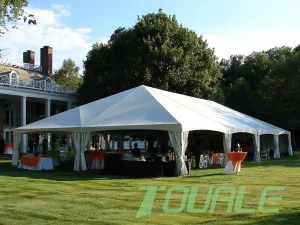
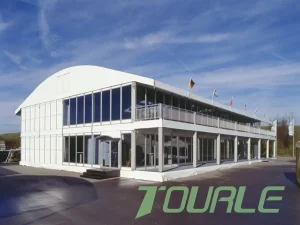
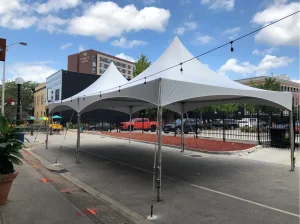
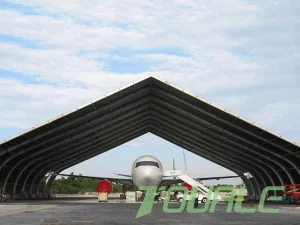
Review additional premium clear-span, high-peak, double-decker, and custom engineered tent systems available directly from our manufacturing facility.

Critical technical and financial answers designed to empower commercial procurement managers and project developers.